
Selective eating · calm, repeated exposure
Low-pressure meal ideas for picky eaters
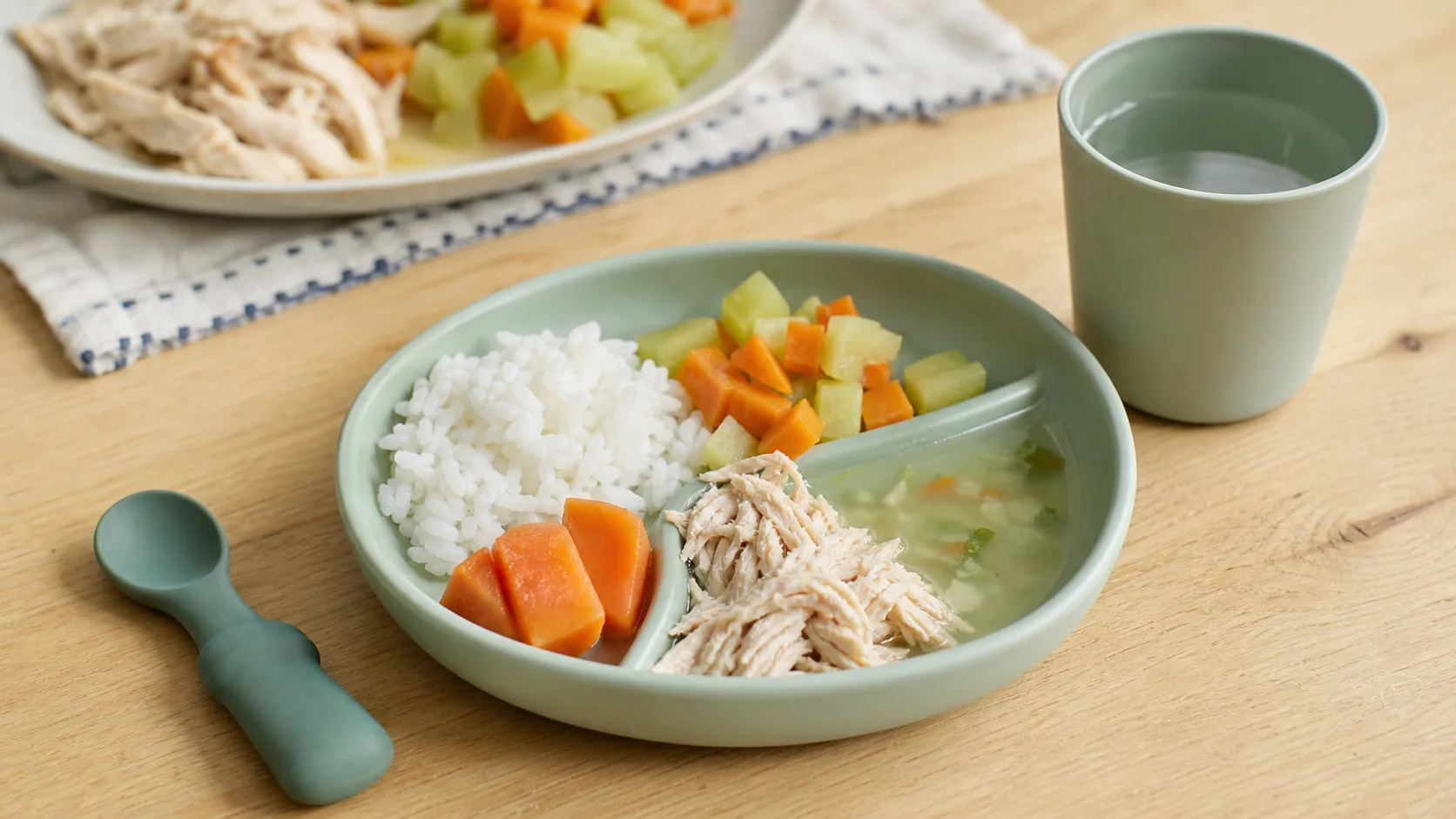
Serve an accepted food with a few other ingredients, starting with small portions, and let the child decide whether and how much to eat. Repeated exposure is more important than one forced bite.
Sources reviewed for clarity:
Who it is for
Feeding stage
Toddlers and young children are in the picky eater phase
Texture
Serving style
Components are separate, familiar, and tailored to the child's skills
Meal timing
A flexible rhythm
Main meals and snacks on a fairly consistent schedule
Important
Safety first
Picky eating is common in toddlers, but weight loss, pain when eating, repeated choking, an increasingly narrow food list, or severe family stress need to be assessed by a health professional.
Want to try one of these this week?
Save your chosen idea in CookClip, edit ingredients or portions, then add it to your meal plan.
Before you start
Preparation that makes the week easier
- 1
Avoid comments about how much your child eats. Talk about colors, scents, shapes, or family activities at the table.
- 2
Do not replace the menu with favorite snacks immediately after refusal; stick to a schedule and provide at least one familiar food.
- 3
Note patterns for a week or two if there are concerns, including texture, atmosphere, and symptoms—not just the number of mouthfuls.
Health and safety
General inspiration, not an individual medical recipe
Complementary foods generally begin at around 6 months once readiness signs appear. Increase variety and consistency with the child's skills, respond to hunger and fullness cues, and supervise every meal.
Avoid honey before 12 months, whole nuts for children under 5, hard or round foods, and added salt or sugar in baby food. Introduce allergens one at a time in small amounts; seek individual advice for allergies, severe eczema, prematurity, growth concerns or swallowing difficulties.
Related ingredients
Keep going with ingredients you already have
FAQ
Frequently asked questions
Does hiding vegetables always help?
Hidden vegetables can add variety to a recipe, but still offer the ingredients in a visible form so your child learns to recognize and accept the food.
How often does a new food need to be offered?
There is no magic number. Some children need a lot of neutral exposure before they will taste, so avoid making one or two rejections a permanent decision.
Should the child finish one mouthful?
Forcing one mouthful can escalate the conflict and ignore the child's body signals. Offer calmly and let the child decide.
When is it necessary to seek help?
Seek professional advice if growth is impaired, the child is sick or chokes while eating, receives very little food, or mealtimes cause significant stress.
Read next
Ideas for another stage or time of day
Official sources
What this guidance is based on
CookClip wrote every menu idea from scratch. Age, texture, allergen and safety notes are based on the official sources below.
- WHO: Complementary feedingStarting at around 6 months, meal frequency, varied textures, family foods and responsive feeding.
- Indonesian Ministry of Health: Complementary-feeding recipesTimely, safe, adequate and varied complementary feeding based on everyday ingredients.
- NHS: Your baby's first solid foodsReadiness signs, texture progression, responsive feeding and supervision.
- NHS: Foods and drinks to avoidHoney, salt, whole nuts, selected raw foods and drinks to avoid.
- CDC: Choking hazardsShape, size, texture, seated posture and supervision to reduce choking risk.
Make this idea part of a real meal plan
Save the recipe in CookClip, adapt it for your family, schedule it and choose which ingredients belong on your grocery list.